Six tips to avoid seasonal depression
As the weather turns colder and there is less sunlight in the day, our bodies naturally lose energy, affecting our moods and desire to be active. Seasonal Affective Disorder (SAD) is more common than you may think — especially for older adults. This blog covers ways you can combat seasonal depression and make the most of colder months.
Tip 1: Acknowledge SAD and make a plan
Seasonal depression is more than just the winter blues or having down days. One of the first steps of combatting SAD is recognizing if your feelings are lasting for days at a time and are affecting your ability to enjoy other aspects of your life. If this is the case, it’s time to talk to your health care provider and make a plan. Clinicians may recommend any number of treatments, from light therapy to medication.
Tip 2: Take your vitamins
Nutrition is important all year round, but for older adults, there is a particular need for vitamin D, particularly as winter sets in. According to the Office for the Aging, a vitamin D deficiency is associated with numerous serious health issues, such as bone and heart health, increased risk of cognitive decline, hypertension, cancer, diabetes and decreased immune function. While the onset of these conditions can be subtle, ensuring your nutrition plan contains plenty of vitamin D, either through food or supplements, is the first step to staying on track.
Tip 3: Food to feel good
We’ve all heard of comfort food, but incorporating vitamin D-rich foods into your diet is a great way to not only stay healthy, but boost your mood naturally. The Office for the Aging suggests foods such as eggs (with the yolk), cheeses, and fatty fish, like salmon. There are also vitamin D-fortified foods readily available, such as milk, yogurt, cereal and juice. If these are new foods to your current nutrition plan, it’s a good idea to talk to your healthcare provider about incorporating them and how they balance your diet.
Tip 4: Explore light therapy
The reduction in sunlight as fall and winter sets in plays a major role in SAD. The Mayo Clinic reports that the reduced presence of sunlight affects our bodies’ circadian rhythm, contributing to feelings of being tired or wanting to sleep more than usual. What’s more, Mayo Clinic suggests that low levels of serotonin can be attributed to reduced sunlight and contribute to SAD.
Clinicians may offer light therapy as a non-medicinal option to treat SAD. The Office of Aging describes light therapy as a light box with a fluorescent lamp that emits a spectrum of light intended to simulate natural sunlight. The light box should contain a filter to block harmful UV rays.
Tip 5: Find your friends
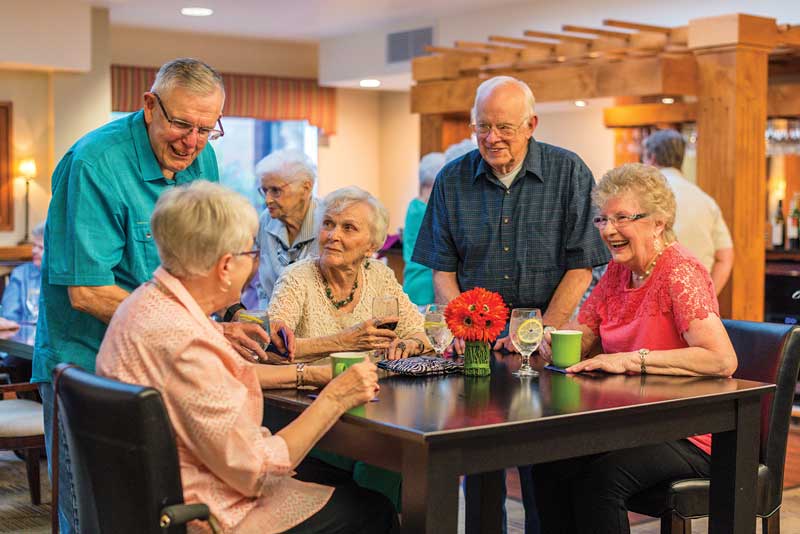
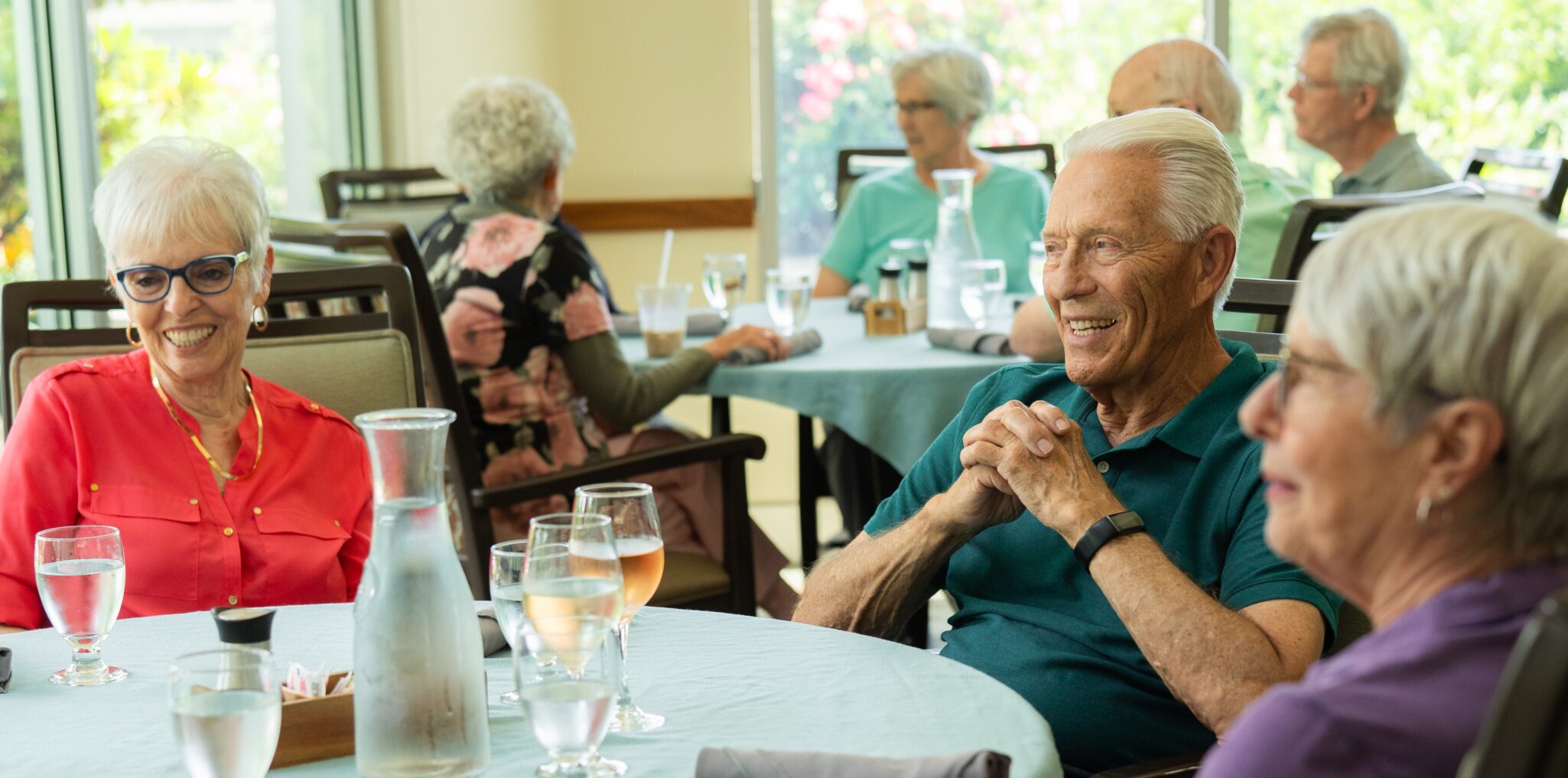
Chances are, you’re not the only one who may be feeling down among your friends or social group. The winter months and associated holidays can also bring about memories of loved ones, which further complicate feelings of loneliness and sadness. Fortunately, the expert staff at Capital Manor are well-versed in supporting all aspects of health. It’s what we call our 8 Dimensions of Wellness Program and it takes a holistic approach to personal wellness.
We focus on the areas of physical, emotional, environmental, spiritual, vocational, social, intellectual and health service to serve the entire person of each of our residents. Each dimension serves to develop and activate a different part of your health, whether that’s refining forgotten skills (or learning new ones) or finding a sense of belonging in a class or hobby.
Tip 6: Keep your mind in mind
Our tips for avoiding seasonal depression have touched on nutrition, alternatives to medication, holistic healthcare and professional medical advice. Our final tip focuses on mental health and the practice of being mindful through things like journaling, yoga or meditation. These habits can help to manage stress levels and improve mental resiliency.
A recent study by the National Institute of Health demonstrated beneficial effects of mindfulness-based stress reduction among older adults who presented existing depressive symptoms. Clinicians see this as a promising strategy for older adults because of the ability for individuals to have greater control in their choice of activities and involvement.
This blog has explored six ways to help seasonal depression among older adults. SAD affects women nearly four times as much as it does men, and is more prevalent for those who live farther from the equator and in rural areas. While commonly affecting individuals during the fall and winter months, the Mayo Clinic reports there is reverse seasonal depression, where the onset of symptoms start in early spring and last through the summer.
The best way to combat SAD is knowing when to ask for help and connecting to those around you for assistance. Here at Capital Manor, our holistic approach to health is designed to take care of each person from head to toe, ensuring everyone’s day is the best it can be. For more information on our wellness programs, visit the Capital Manor website.